Average Reviews:

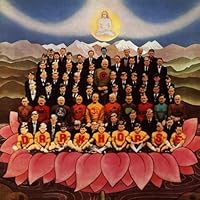
(More customer reviews)There comes a moment or two (or three) in an artist's life when he hits a trough and finds himself spiraling out of control. Back in 1974, when George Harrison embarked on the making of "Dark Horse", he was in the midst of preparing for a tour of the United States, which came on the tail of an infamous marital breakup. The man was human. Profoundly spiritual and conscientious of his commitments, Harrison damaged his vocal chords rehearsing, and struggled with his sound for months thereafter. Indeed, he was perhaps a bit lonely, became a little crazy, and momentarily lost sight of his devotion to God. However, through it all, he had a pocketful of songs that touched upon sadness, venom and ultimately, redemption.
This was a gravely underrated album. After the success of "All Things Must Pass" and "Living in the Material World", expectations were high for "Dark Horse". The album didn't soar in the charts, but that does not mean it was below standards. It was panned for his shot vocals; however, this was an unfair assessment. He voice cracks here and there, but it doesn't falter. It works well. He sounds soulful. The songs are melodious, driving, and beautiful. Never have fans heard such a contrast of emotion from Harrison on a record before. It starts in the kick off instrumental delight of "Hari Express" to the lament of "Simply Shady" where he realizes that "things aren't so simple anymore". Although the lyrics in "So Sad" are a bit self pitying, one can't help but love the catchy hook of the chorus, and feel deep empathy for a man who is virtually crying in his beer. The range of emotions continues in the venomous re-written version of the old Everly Brothers song "Bye Bye Love". This isn't your mother's version. It starts with a slithery bass, ready to pounce and confront. The new words express a bit of the macho Liverpool lad who is so hurt and furious, he's basically ready for a fight.
When his anger reaches it's peak, he slowly, but assuredly, begins to turn to God. "Maya Love" seeps in as personal reminder that physical love can be transient in this life, part of the illusion. Once that realization is sung to us, we sense he is starting to heal himself by his need to shed the past in "Ding Dong, Ding Dong", a tune so cheerful and fun, it can make anyone want to "ring out the old, ring in the new." In Harrison's book "I, Me, Mine", he explains that "Far East Man" was in fact about Ron Wood, a friend to whom he promised to write a song, and who particularly loved wearing a tee-shirt emblazoned with the words "Far East Man". It's a fun loving, jazzy, lounge-act romp, showing he still has devotion to a friend in need, and that his humor is still in tact. George finally ends right back to the "source", in his ultimate and joyous chant for God in "Jai Sri Krishna. Here he has found himself again, upon his return from the dark side, at one with God, open hearted, ready for anything the universe throws at him.
The album's focus is that he's a "Dark Horse", expressed in the title track, a beautiful, galloping song, where his voice shows the wear and tear. He's "a blue moon", not your average winner, rather, the underdog who comes through when the stakes are down, and no one is looking over their shoulder. The album is a culmination of the sadness, loneliness and failures he had to face during a low phase in his remarkable life. In the shadows of McCartney and Lennon, in the adversities of love and war, he will come through every time, just when people think he's beat. It's a heartbreaking, if not harrowing emotional rollercoaster from a spiritual man who was at a crossroads in life, and whose devotion to God was in dire need of being applied, and indeed, gracefully used.
Click Here to see more reviews about: Dark Horse
George Harrison Photos More from George Harrison


0 comments:
Post a Comment